
Why Early Learning Matters
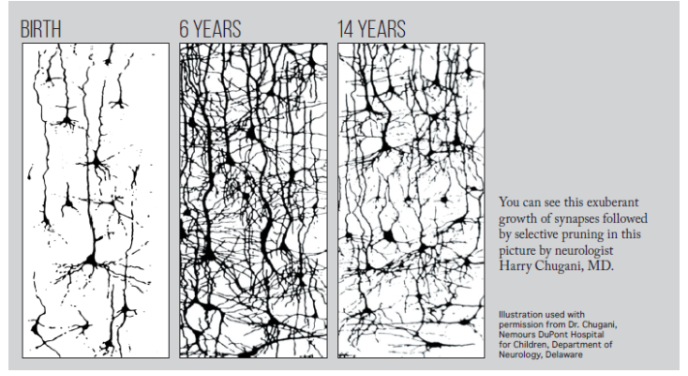
Did you know that high-quality early learning opportunities in a child’s youngest years are key for future success well beyond the classroom? Research shows that children with access to early learning experiences have better outcomes not only in school, but in life!
In fact, the formative years from birth to age five can be more important developmentally than any other time in a child’s life. Giving your child a good start can make their entire life journey easier. Learn more about why these critical years are so vital to their success, and how you can help put your child on a winning path.

In Niles Township (Skokie, Lincolnwood, most of Morton Grove, Niles, Golf and a part of Glenview), there are 9083 children age 5 and under and 20% of those children are living at 200% Federal Poverty Level (Action for Children 2023, Illinois Early Childhood Asset Map). This region also has great cultural and language diversity with 90 languages spoken and where 47.8% of residents speak a language other than English at home. Language can be a big barrier to families receiving information and accessing a wide variety of early learning programs.
To address this, the ECA has hired Family Liaisons connected to priority communities to provide culturally relevant connection and language access. Numerous research studies have shown that investing in early childhood pays dividends. In fact, every $1 invested in early childhood yields a $13 Return on Investment (The Heckman Equation, Economics Professor James Heckman, University of Chicago).
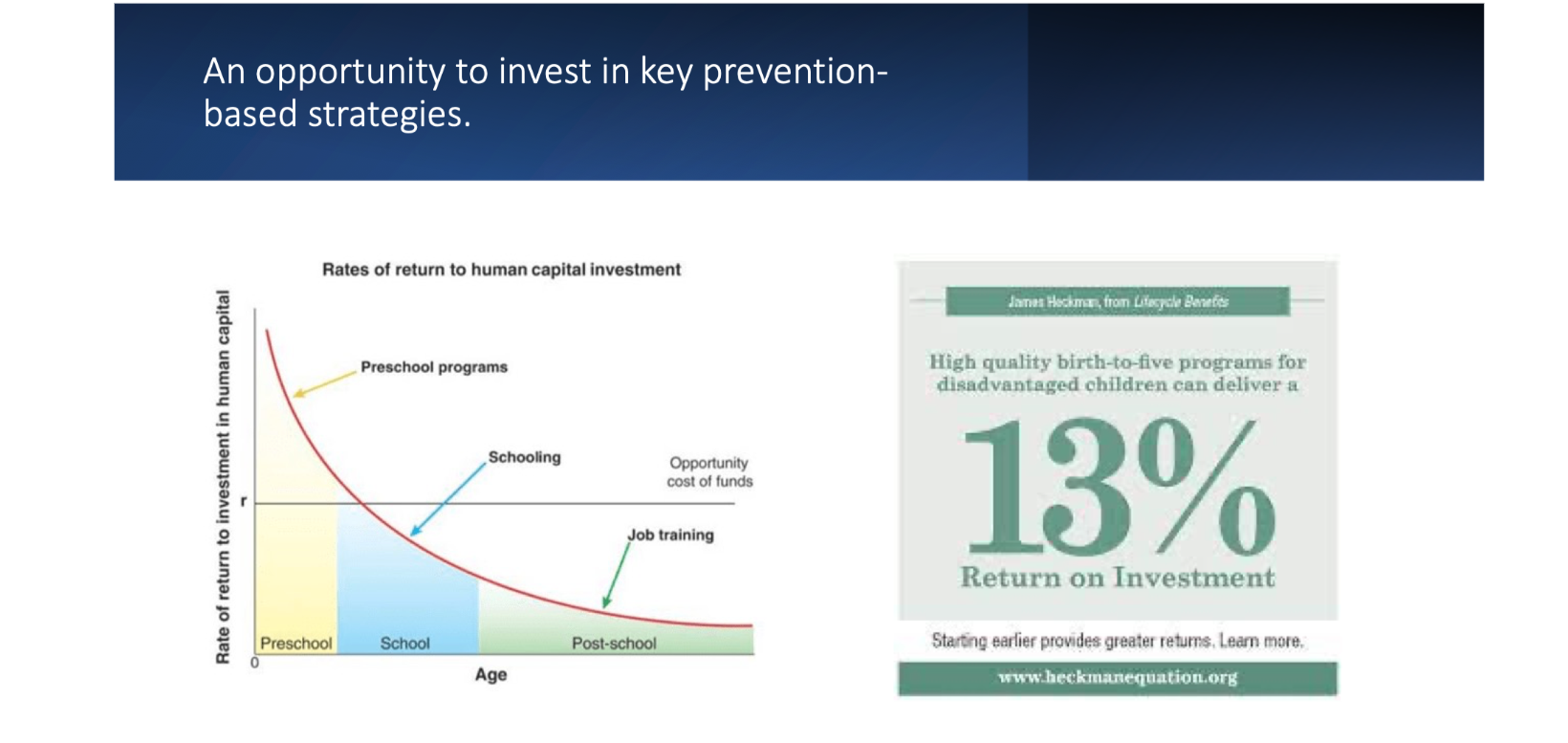
Children with high quality early learning experiences have better school readiness, higher academic achievement, improved adult health, stronger social skills, and later in life have reduced crime/health risks and are less reliant on public aid programs. Young children without access to opportunities from birth to five years old start out their formalized, primary education in Kindergarten already behind. They are so far behind, in fact, that schools cannot eliminate the resulting achievement gap (research has shown that Chicago suburban area school districts do a good job of narrowing the gap during those 13 years of schooling but that the gap is simply too large in Kindergarten to be fully overcome).
In Niles Township (a 21.3 square mile area), 72% of children who qualify for free and reduced lunch are not ready for Kindergarten (Kindergarten Individual Development Survey, ISBE 2024). While some children enter Kindergarten with no group experiences and are navigating their first separation from a parent, others have been in an organized group setting for 2 - 3 years, practicing advocating for themselves, inhibiting impulses, strengthening small motor and self-help skills, and learning to pay attention during group times. The large gap in opportunity and experience evident on the first day of Kindergarten can be impossible for schools to overcome. Birth to age five is THE TIME to pour in the resources to change a life!
The ECA has placed a priority on creating language access for families for whom these are their home languages to ensure better access to resources and information. With our 49 multi-sector partners, the ECA is committed to closing the opportunity gap and ensuring every child starts Kindergarten ready to learn!
Explore
Out of the mouths of babes. Take seven minutes to watch the Ted Talk below and learn, from 7-year old Molly Wright, how the first five years of their life are the most important for every child. Especially your own. Learn the science behind why this developmental stage can be a literal game-changer, with a game of peek-a-boo.

Did you know?